
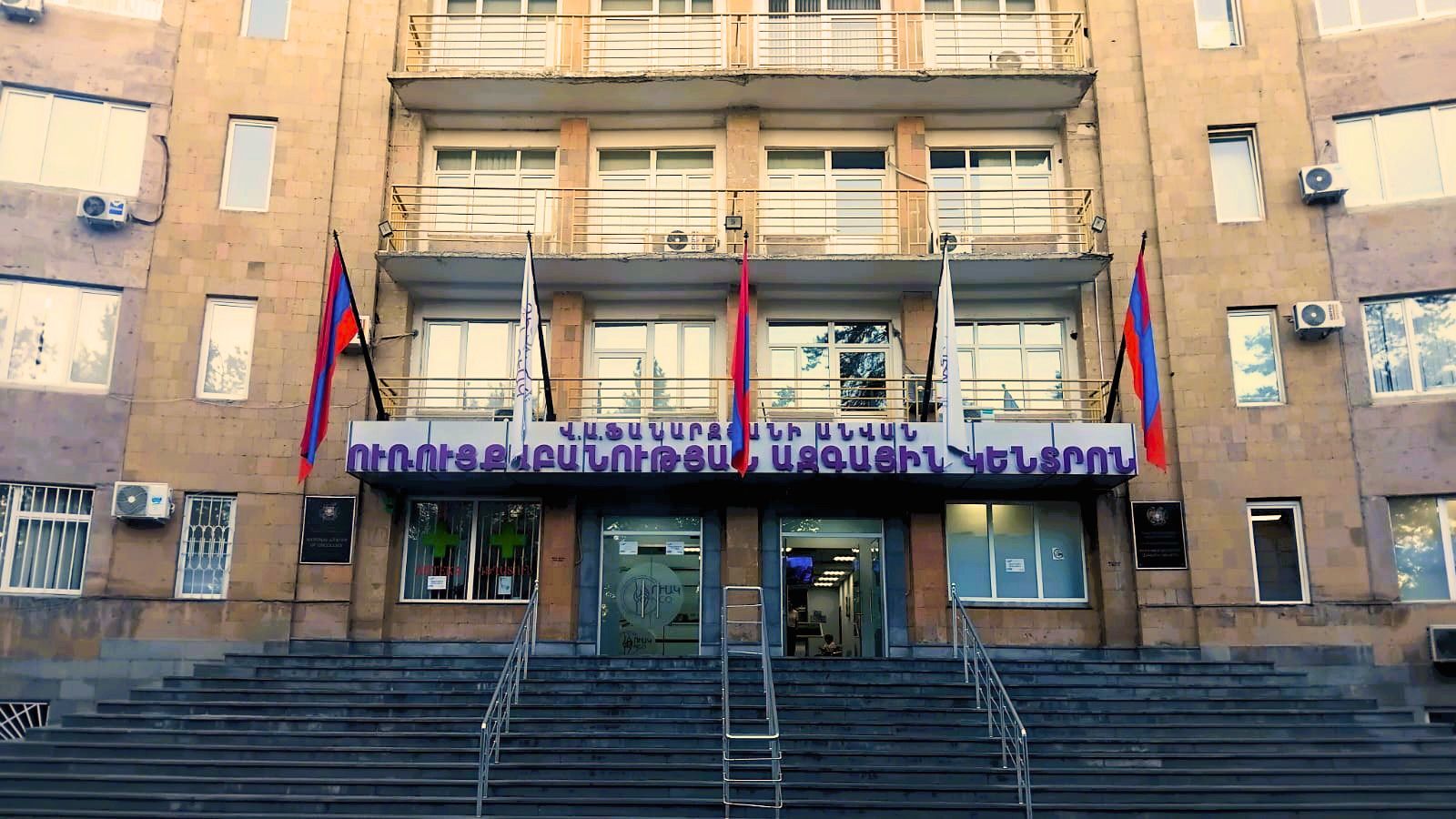
V. A. Fanarjian National Center of Oncology. Photographed by See You in 2050 Team
Cancer is rarely just a medical diagnosis. It is a moment that changes how people think about their bodies, their future, and sometimes even their identity.
But what happens when we step back from the fear and look at cancer through the eyes of someone who treats it every day?
We sat down with Sarik Melkonyan, an Oncologist, Thoracic Surgeon at V.A. Fanarjian National Center of Oncology at Yerevan, the capital city of Armenia, to have that conversation about “Lung Cancer”. We asked about the questions patients are often afraid to ask, the misconceptions that persist around cancer, and what advances in medicine are changing the way we think about prevention, diagnosis, and treatment.
When we asked the doctor about the primary causes of lung cancer, his answer was immediate: smoking remains, by a considerable margin, the biggest risk factor. He estimated that out of the general population around 40–45% , of individuals are smokers but within the lung cancer diagnosed patients, 80-85% are smokers or those with history of smoking, underscoring just how significant a role tobacco continues to play.

Image Courtesy: Geri Tech on Pexels.com
But smoking is not the only piece of the puzzle. Genetics can influence an individual's susceptibility, while occupational exposure can also increase risk—particularly for people working in environments such as chemical plants, where prolonged exposure to certain hazardous substances may occur. Air pollution, especially in densely populated cities, adds another layer of concern.
Still, despite this complex mix of factors, the message was clear: smoking, by and large, remains the dominant preventable risk factor for lung cancer.
The next question was a more personal one: If someone has been a smoker for 10 years, is it too late to start thinking about longevity?
The doctor's answer offered a measure of hope. While smoking exposes the lungs and bronchial passages to harmful substances like Tar, he emphasized that quitting smoking altogether—going “cold turkey”—is an important first step. The body does not simply forget years of exposure, but stopping further exposure gives it an opportunity to recover.
According to Dr. Melkonyan, people who remain smoke-free for 10 to 15 years can see meaningful recovery in lung health, and there is reason to be hopeful about the body's capacity to heal after smoking cessation. His message was ultimately less about dwelling on the years already spent smoking and more about what can still be changed: the decision to stop today can influence the years ahead.
Finally, we asked a question that often comes up when people think about long-term health after years of smoking: Can what you eat make a difference?
Dr. Melkonyan pointed to the role of antioxidants and a nutrient-rich diet, particularly foods providing vitamin C for all malignant diseases. He recommended incorporating plenty of vegetables into the daily diet, emphasizing that good nutrition can be an important part of supporting the body's overall health.

Image courtesy: Valeria Boltneva from Pexels.com
For someone exposed to cigarette smoke, this does not mean there is a single food that can “clean” the lungs or undo the effects of smoking. Rather, it is about giving the body the nutrients it needs while making healthier choices going forward. A diet rich in vegetables, fruits, and antioxidant-containing foods can be one small but meaningful part of a larger commitment to longevity.
And perhaps that was the most reassuring thread running through our conversation: your past may influence your health, but it does not have to define your future. Quitting smoking, staying attentive to your health, eating well, and seeking medical advice when needed are all decisions that can still shape the years ahead.